Why HolidayHub exists
Since I was a child I have kept going back to the same places, and watched them fill up. HolidayHub is an attempt to turn that observation into something you can check: working out when a travel region is quiet instead of guessing at it.
Croatia, before it filled up
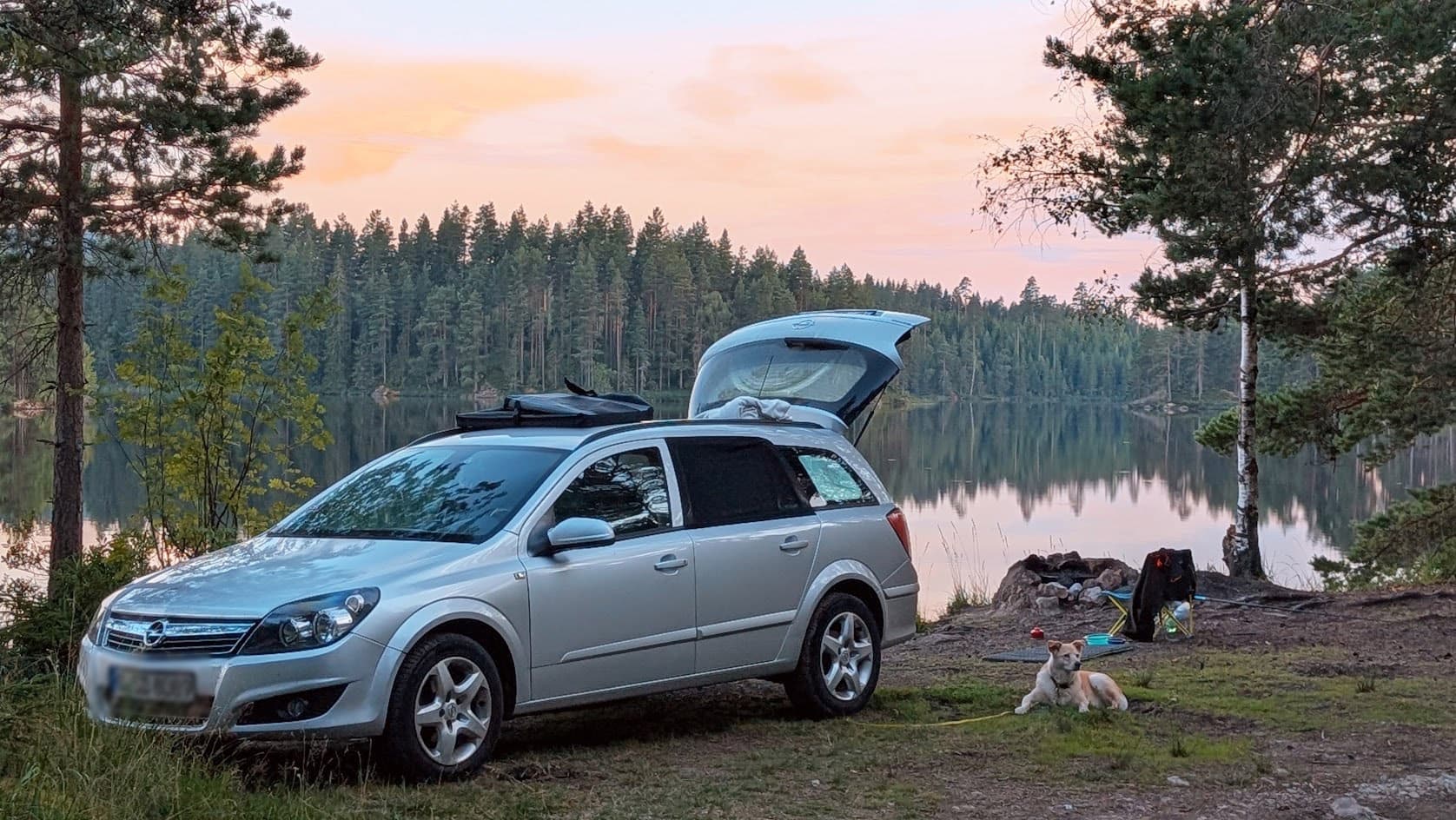
My first long family holiday went over the Alps to the Croatian coast, in an old Opel Kadett that lorries overtook on every climb. The war had just ended, and the tourism the Adriatic is known for today had not yet come back. The campsites were quiet. As a child you assume that is simply how a place is.
We went back year after year, and that showed me something a single holiday never does: how a place fills up. First the pitches got scarcer, then the bays, then the roads. At some point we crossed destinations off the list, not because they had got worse, but because too many other people had had the same good idea.
Mallorca, and what became of a training ground
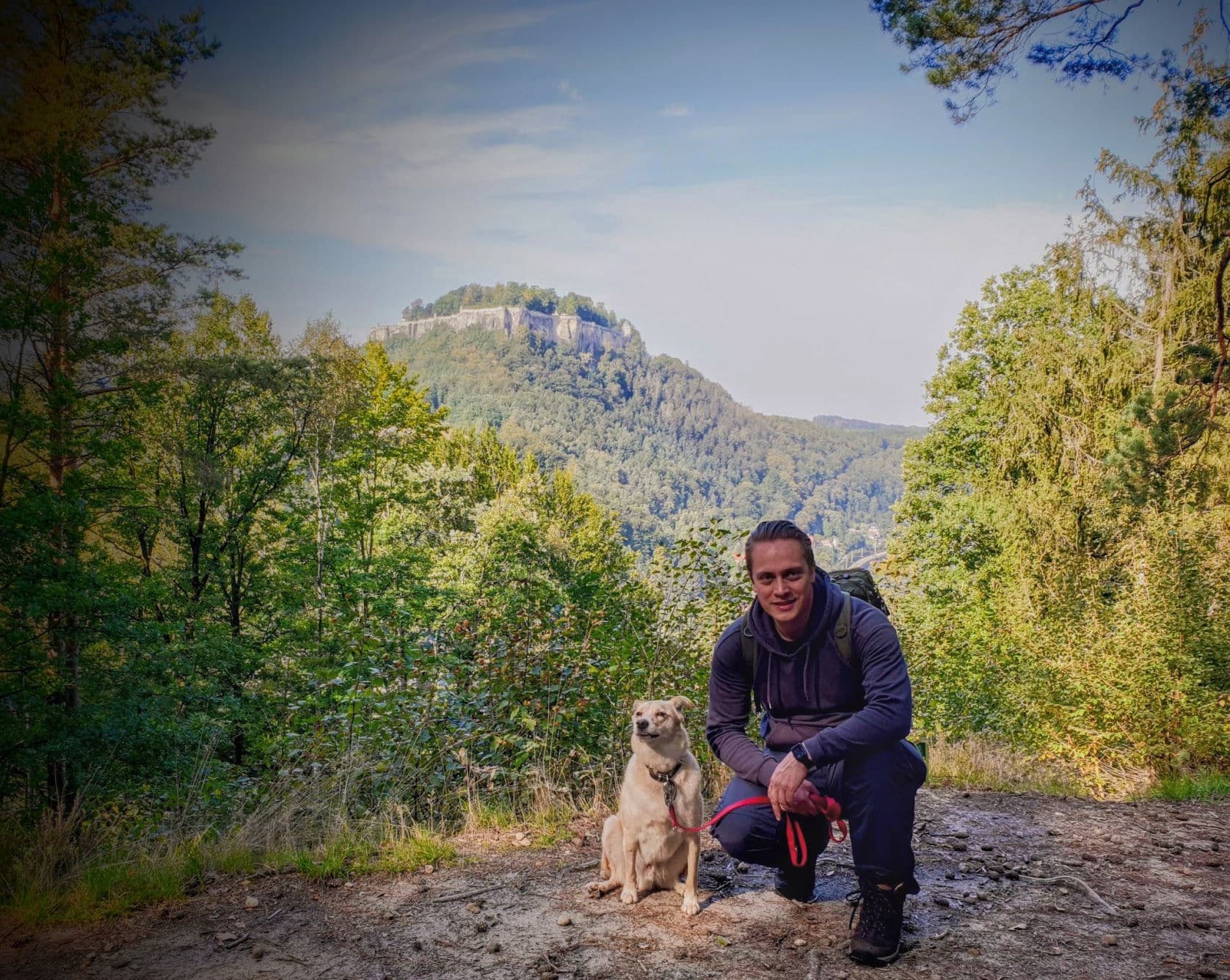
The same thing again, somewhere else. In the nineties I went to Mallorca with my grandfather to train on a road bike. Cycling tourism existed there already, but it was manageable. Ride the same roads in spring today and you see a different picture: what was a tip passed between cyclists is now a season with its own logistics.
What links the two cases: the place itself has barely changed. What changed is how many people are there at the same time.
Winter is getting tighter
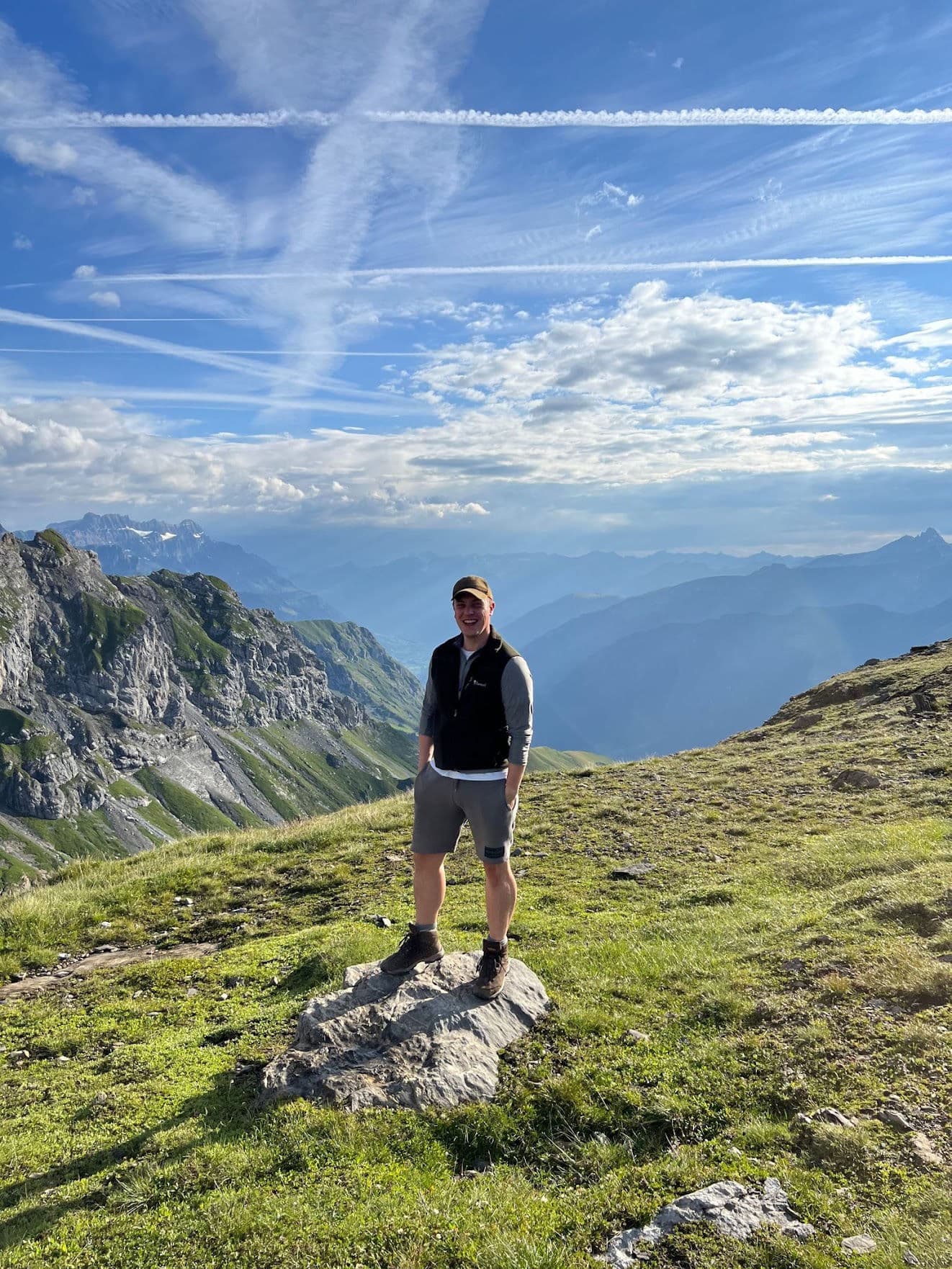
Skiing adds a second effect. Reliable snow no longer spreads as generously across altitudes and months as it once did. The fewer areas that deliver at any given moment, the more people end up queuing for the same gondola.
Ski in Austria regularly and you notice the opposite too. There are still weeks and valleys where the slopes are calm. They are rarely the ones you get told about first. You have to find them.
Taiwan, or why some places stay off the radar
The idea for HolidayHub came to me in Taiwan. Taiwan combines things you would otherwise travel to several East Asian countries for: city life in Taipei, a high mountain range to hike, the Pacific to swim and dive in. It still rarely appears in people's travel plans, while the crowds concentrate on Japan and South Korea.
That turned an observation into a question: why does nobody know this? Not because one place is better than another, but because attention is unevenly distributed and reinforces itself. Whatever gets mentioned gets booked, and whatever gets booked gets mentioned again.
From a hunch to data
Experience is enough to plan your own trip. It is not enough to advise anyone else: what I saw in Croatia and in Austria adds up to a few dozen weeks of one life, not a body of evidence.
So HolidayHub calculates instead of recommending. Behind it sits a crowding score of its own: it pulls together open data from several official sources and estimates, for every European travel region and every week of the year, how busy it typically is. What goes into it, and where the model reaches its limits, is on the methodology page.
Europe first, because the data there is consistent enough to compare regions fairly. The goal is the one I had in Taiwan: finding the alternative. To the Amalfi Coast in August, to a marquee Alpine resort between Christmas and New Year.
What this site is not
HolidayHub does not rate destinations and keeps no best-of list. No provider can buy a place in a ranking; the order comes out of the model. Booking links are affiliate links and marked as such, and they change nothing about the figures above them.
And those figures stay a model calculation, not a measurement on the ground. They tell you when a place is typically busy, not how many people will be on the beach next Tuesday.

Sebastian
Builds HolidayHub on his own: the model, the words and the replies to your emails.
Get in touch
Found an error, a region we have judged wrongly, a source we missed? Write to hello@seloralabs.com.